


Understanding the Office Cleaning Roles: What They Really Do
- Clean2Clean Team
- Apr 21
- 4 min read

Keeping an office clean is more than just tidying up desks or emptying trash bins. It’s about creating a healthy, productive environment where employees can thrive and clients feel welcome. Over the years, I’ve come to appreciate the vital roles that office cleaning companies play in maintaining this environment. In this post, I want to share insights into the various office cleaning roles, what they entail, and why they matter so much.
Exploring the Different Office Cleaning Roles
When you think about office cleaning, you might picture someone vacuuming floors or wiping down surfaces. However, the reality is much more complex. Office cleaning roles cover a wide range of tasks, each designed to address specific needs within the workspace.
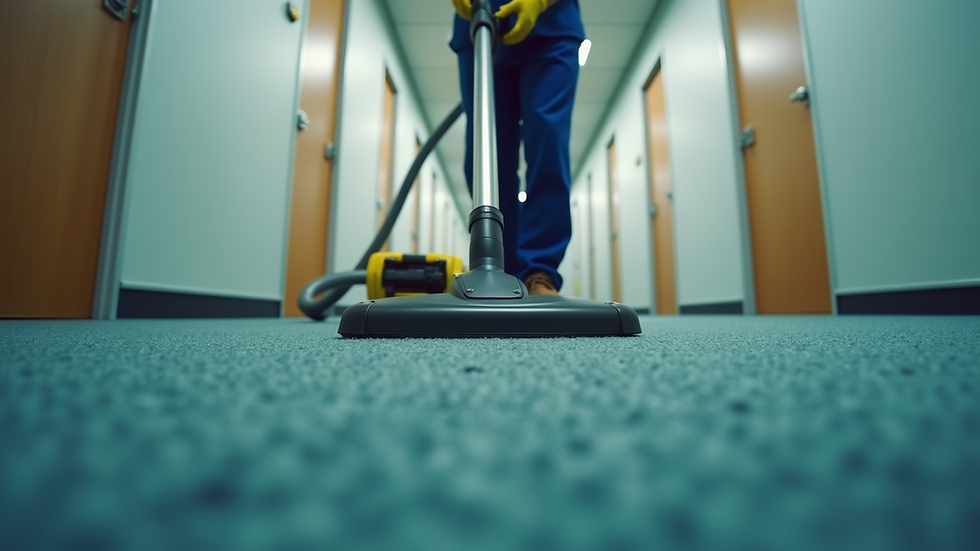
General Cleaning Staff: These are the frontline workers who handle daily cleaning tasks such as dusting, vacuuming, emptying bins, and sanitizing common areas. Their work ensures that the office looks neat and feels fresh every day.
Specialized Cleaners: Some areas require specialized cleaning techniques. For example, carpet cleaners use steam or dry cleaning methods to remove stains and allergens. Window cleaners focus on streak-free glass surfaces, often working at heights.
Sanitization Experts: In today’s health-conscious world, sanitization has become a critical role. These professionals use hospital-grade disinfectants to reduce the spread of germs, especially in high-touch areas like door handles, keyboards, and break rooms.
Waste Management Personnel: Proper disposal and recycling are essential for sustainability. These workers ensure that waste is sorted correctly and removed promptly, helping offices maintain eco-friendly practices.
Maintenance Support: Some cleaning teams also assist with minor maintenance tasks such as replacing light bulbs, fixing door locks, or reporting issues that require professional repair.
Each role contributes to a comprehensive cleaning strategy that keeps the office environment safe, clean, and inviting.
Why Office Cleaning Roles Are Essential for Business Success
Cleanliness in the workplace is not just about aesthetics. It directly impacts employee health, productivity, and even company reputation. Here’s why the various office cleaning roles are indispensable:
Health and Safety: Regular cleaning and sanitization reduce the risk of illness by eliminating bacteria and viruses. This means fewer sick days and a healthier workforce.
Enhanced Productivity: A clean and organized workspace helps employees focus better and reduces distractions caused by clutter or unpleasant odors.
Positive Impressions: Clients and visitors form opinions based on the office environment. A spotless office reflects professionalism and attention to detail.
Compliance with Regulations: Certain industries have strict hygiene standards. Specialized cleaning roles ensure that offices meet these legal requirements.
Sustainability Goals: Waste management roles support eco-friendly initiatives, helping businesses reduce their environmental footprint.
By understanding these roles, businesses can better appreciate the value of investing in professional cleaning services.
How do you professionally clean an office?
Professional office cleaning is a systematic process that involves several key steps to ensure thoroughness and efficiency. Here’s a breakdown of how I approach it:
Assessment and Planning: Before starting, it’s important to assess the office layout, identify high-traffic areas, and understand specific client needs. This helps in creating a tailored cleaning schedule.
Decluttering and Organizing: Removing trash and organizing items is the first physical step. This clears the way for deeper cleaning tasks.
Dusting and Surface Cleaning: Using microfiber cloths and appropriate cleaning agents, all surfaces including desks, shelves, and electronics are wiped down to remove dust and grime.
Floor Care: Depending on the floor type, this may involve sweeping, vacuuming, mopping, or polishing. Carpets might require steam cleaning or spot treatment.
Sanitization: High-touch points like door handles, light switches, and shared equipment are disinfected using EPA-approved products.
Waste Disposal and Recycling: All collected waste is sorted and disposed of responsibly, with recyclables separated according to local guidelines.
Final Inspection: A thorough walkthrough ensures no area is missed and that the office meets the expected cleanliness standards.
Using the right tools and eco-friendly products is also part of professional cleaning, ensuring safety for both people and the environment.

How to Choose the Right Office Cleaning Company
Selecting the right cleaning partner is crucial for maintaining a high standard of cleanliness. Here are some tips I recommend when choosing an office cleaning company:
Check Credentials and Experience: Look for companies with proven experience in office cleaning and proper certifications.
Understand Their Cleaning Process: Ask about the methods and products they use, especially their approach to sanitization and eco-friendly practices.
Request References and Reviews: Feedback from other clients can provide insight into reliability and quality.
Evaluate Flexibility and Customization: Your office may have unique needs. A good company should offer tailored cleaning plans and flexible scheduling.
Consider Communication and Support: Clear communication channels and responsive customer service are essential for addressing any issues promptly.
Compare Pricing and Value: While cost is important, focus on the overall value including quality, reliability, and additional services.
By following these guidelines, you can find a cleaning partner that aligns with your office’s needs and standards.
The Future of Office Cleaning Roles
The cleaning industry is evolving rapidly, driven by technology and changing workplace expectations. Here are some trends shaping the future of office cleaning roles:
Increased Use of Technology: Robots and automated cleaning devices are becoming more common, assisting human cleaners with repetitive tasks.
Focus on Health and Wellness: Enhanced sanitization protocols and air quality monitoring are now standard practices.
Sustainability Initiatives: Green cleaning products and waste reduction strategies are gaining priority.
Specialized Training: Cleaning staff are receiving more training on safety, chemical handling, and customer service.
Customized Cleaning Solutions: Offices are demanding more personalized services that fit their specific operational hours and needs.
Staying informed about these trends helps businesses and cleaning professionals adapt and maintain high standards.
Embracing the Value of Professional Office Cleaning
In my experience, the roles within office cleaning are essential pillars that support a thriving workplace. Whether it’s the daily upkeep by general cleaners or the targeted efforts of sanitization experts, each role contributes to a healthier, more productive environment. If you want your office to shine and your team to feel their best, investing in professional cleaning services is a smart move.
For those looking to partner with trusted office cleaning companies, understanding these roles can help you make informed decisions and get the most out of your cleaning investment. Clean offices are not just about appearances - they are about creating spaces where people can do their best work every day.


Comments